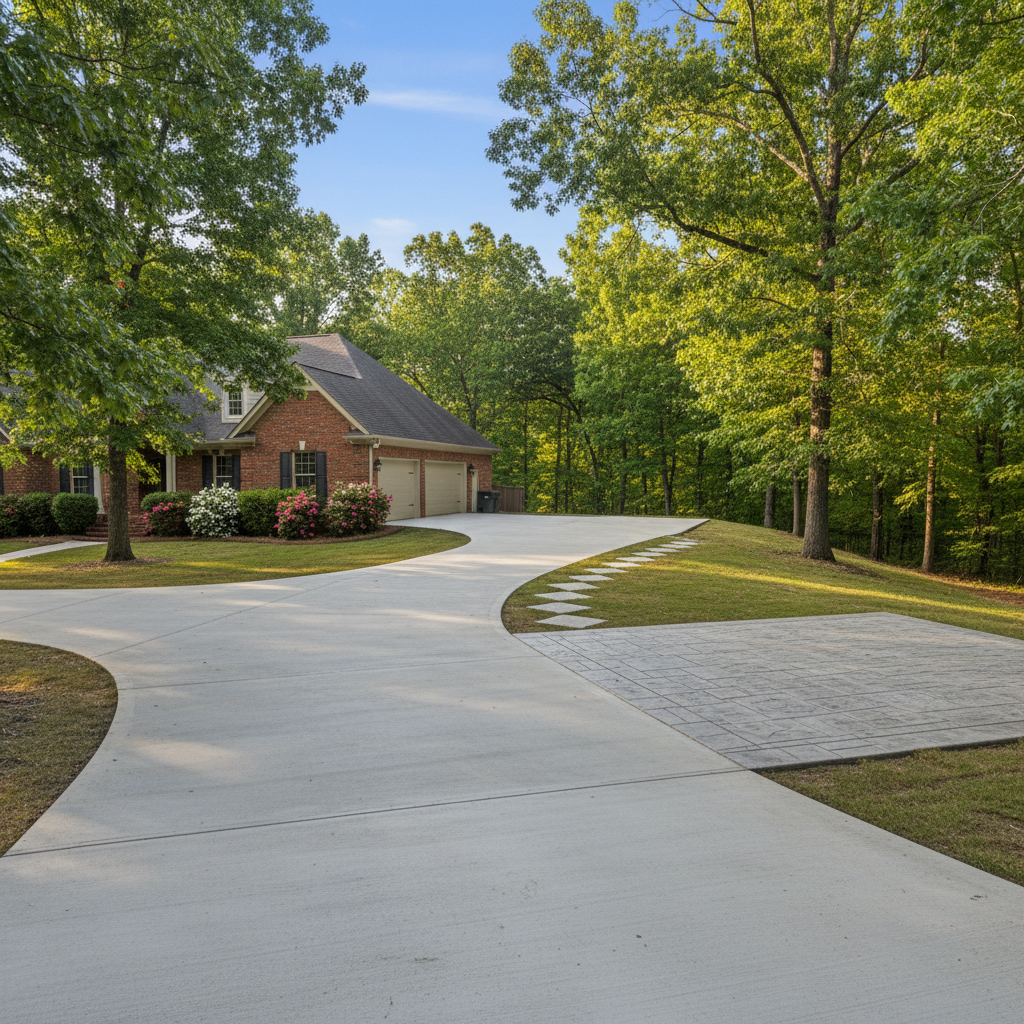
Getting Started: Your Concrete Flatwork Project in Huntsville
So, you're finally ready to tackle that concrete flatwork project around your Huntsville home. Maybe you're dreaming of a new patio for entertaining, a wider driveway to fit more cars, or just a fresh, safe sidewalk. That's fantastic! I've seen countless projects like these over the years, and trust me, a little planning really does make all the difference. You want it done right, obviously, and nobody likes nasty surprises. Here's what you need to know to make your project go smoothly.
Understanding Your Project's Timeline
How long will this whole thing take? That's usually one of the first questions people ask, and it's a smart one. The honest answer is, it really depends on how big and complicated your project is. For something like a typical residential driveway or a small patio, the actual work—prepping, pouring, and the first bit of curing—usually wraps up in about 2 to 5 days. Bigger jobs, like a large foundation, might stretch out to a week or even more.
But that's just the time the crew is on site. You also need to think about the weeks leading up to it. Getting estimates, making your final decisions, scheduling with a good contractor like Huntsville Hometown Concrete, and getting any necessary permits can easily add weeks, sometimes even a month or two, to the whole process. Oh, and don't forget the curing time! Concrete needs to cure properly to get to its full strength. While you can often walk on it after a day or two, it takes about 28 days to hit that full strength mark.
Weather really throws a wrench in things here in North Alabama. We get our share of scorching summers and those occasional freezes, don't we? Extreme heat can make concrete dry too fast, which often leads to cracks. So, contractors might have to start super early, use cooler water, or add special stuff to slow down the curing. Cold weather, especially freezing temperatures, can be even trickier because any water inside the concrete can expand and damage its structure from the inside out. That's why spring and fall often offer the best temperatures for concrete to cure slowly and get as strong as possible. Heavy rain can also wash away fresh material, so a good contractor will keep a close eye on the forecast and might just postpone a pour if bad weather is coming.
What Happens During the Concrete Process?
Once you've picked your contractor and everyone's got the schedule down, here's a general idea of how things will unfold:
- Site Assessment & Planning: We'll come out, take a good look at your property, measure everything up, and chat about your vision. We'll think about things like drainage and how you plan to use the space.
- Permits: For most ground-level concrete patios without a roof, you might not need a building permit. However, if your project involves a covered patio, an accessory structure over 120 square feet, or any structural work costing over $250 in combined labor and materials, you'll probably need one. Your contractor should help you figure this out and often handle the permit application. Huntsville even has an online ePlans system for submissions, which is pretty handy.
- Ground Preparation: This is a super important step, especially with our clay-heavy soil here in Madison County. We'll clear away any junk, grade the land so water drains properly, and compact the base. This makes sure your new concrete has a really stable foundation. Poor soil compaction or unstable ground can lead to sinking concrete down the road, and nobody wants that.
- Forms and Reinforcement: We'll set up forms to give your concrete the right shape. Then, we'll lay down rebar or wire mesh. This reinforcement adds strength and helps keep cracks from forming.
- The Pour: This is when the concrete trucks show up. The crews work fast to place the concrete, screed it to the right grade, and get it perfectly level.
- Finishing: After the pour, we'll finish the surface to whatever texture you want – maybe a broom finish for good grip or a smooth trowel finish.
- Curing and Sealing: We apply a curing compound to help the concrete gain strength evenly and stop early cracking. Proper curing is vital for durability, especially with our wild temperature swings.
How to Get Your Property Ready
You've got a part to play too! Here's how you can prepare:
- Clear the Area: Make sure the project site is clear of anything that might get in the way. Move outdoor furniture, potted plants, grills, and anything else near where the work will happen.
- Access: Make sure there's clear access for equipment and concrete trucks. Talk to your contractor about the best way for them to get in and out.
- Utilities: Mark any underground sprinkler lines, invisible dog fences, or other utilities you know about. While we'll always call 811 before digging, knowing where things are helps prevent delays and damage.
- Pets and Kids: Keep pets and children away from the work area. It's for their safety, and it also keeps them from messing up the fresh concrete.
- Communication: Keep those lines of communication open with your contractor. If you have questions or concerns, bring them up right away.
Key Questions to Ask Before Signing a Contract
Before you commit, you really want to be sure you're working with the right folks. Here are some crucial questions to ask any concrete contractor:
- Are you licensed and insured? This isn't just paperwork; it protects you if something goes wrong.
- How much experience do you have with projects like mine? You want someone who really knows their stuff, especially with Huntsville's unique soil conditions, like the expansive clay in areas such as Blossomwood and Five Points.
- Can you provide references or a portfolio of past work? Seeing their previous projects can give you a good idea of their quality.
- What's included in the total cost? Make sure you understand everything, from demolition and grading to reinforcement, curing, and sealing. You definitely don't want surprise charges later.
- What's your typical project timeline, and when can you start? Good contractors are often busy, so get a realistic timeframe.
- Will you obtain all necessary permits? Confirm who's responsible for this.
- What kind of warranty or guarantee do you offer on your work? A reputable company stands behind what they do, right?
- How do you handle potential delays or unexpected issues? Things happen, especially with weather. You want to know they have a plan.
- What are your payment terms? Understand when deposits are due and how payments will be structured.
Asking these questions will help you feel confident about your choice and ensure your concrete flatwork project with Huntsville Hometown Concrete goes off without a hitch. We're here to help you get a solid, long-lasting surface that adds value and beauty to your home.