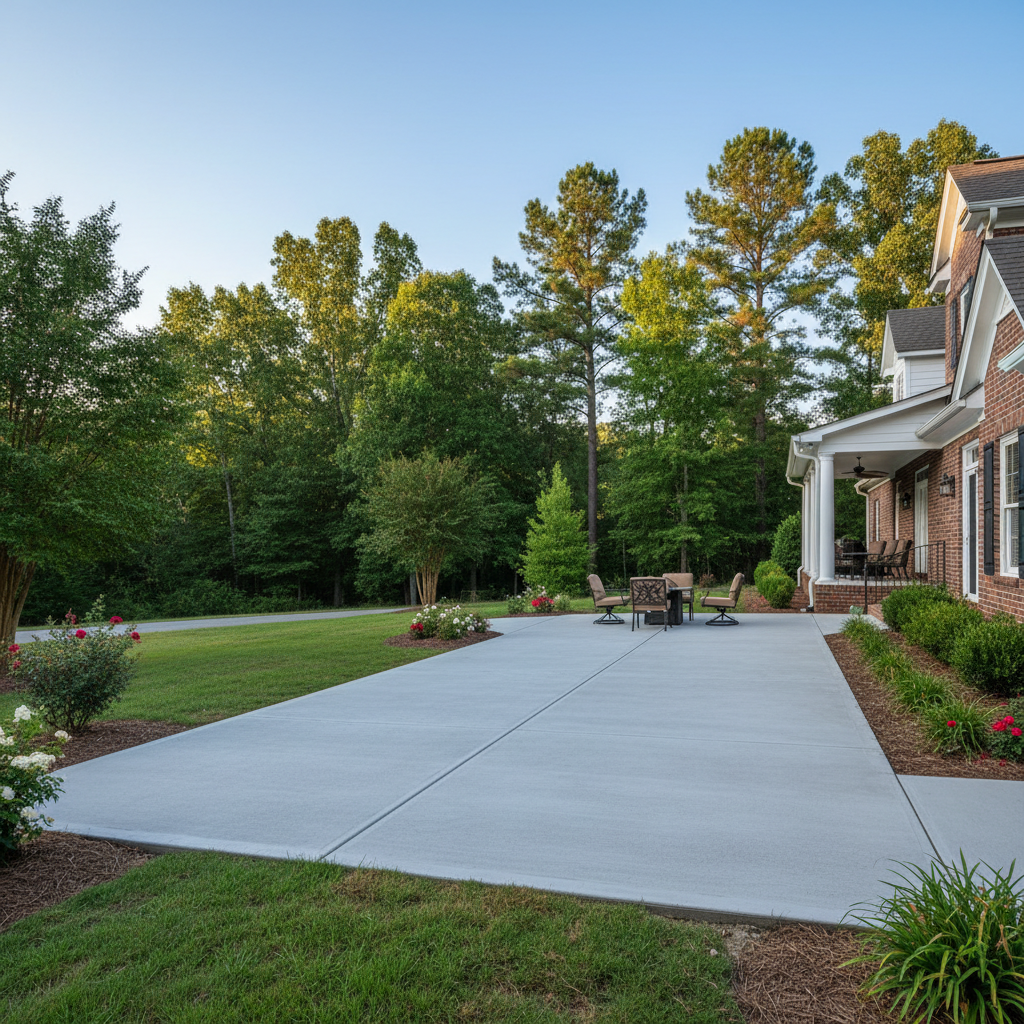
You're thinking about a new patio, driveway, or walkway, right? Maybe you're looking at replacing some cracked concrete that's seen better days. That's a smart move. But here in Huntsville, you can't just pick any old day to pour concrete. Our North Alabama climate has its own rules, and if you don't play by 'em, you're not going to get the best results or the longest life out out of your investment.
When's the Best Time to Pour Concrete Around Here?
Honestly, the sweet spot for pouring concrete in Huntsville is usually spring and fall. Think mild temperatures, not too hot, not too cold. That's when the concrete can cure properly, gaining strength without drying out too fast or freezing before it's ready. You want consistent temperatures, ideally between 50 and 80 degrees Fahrenheit, for at least a few days after the pour. This allows the concrete to hydrate and harden at a steady rate, which is crucial for its long-term durability.
We get some beautiful springs and falls here. The air is usually just right, and the ground isn't super saturated from winter rains or baked dry by summer heat. That helps a lot with stability and the overall quality of the pour. If you're planning a project, these are the seasons I'd recommend we aim for.
What Weather Conditions Really Matter?
A lot, actually. It's not just about the temperature on the day of the pour. It's about what's coming next, too.
- Temperature Swings: Our weather can be fickle. A warm day followed by a sudden cold snap, especially in late fall or early spring, can cause issues. If concrete freezes too early in its curing process, it loses strength and can crack. It's called 'freeze-thaw damage,' and it's a real problem.
- Rain: You absolutely don't want rain on fresh concrete. It can wash away the cement paste, weaken the surface, and leave it looking uneven or pitted. If there's a chance of rain, we'll reschedule. It's not worth the risk.
- Humidity: High humidity can slow down the drying process, which isn't always bad, but it needs to be managed. Low humidity, especially with high temperatures and wind, can make concrete dry too quickly, leading to surface cracks.
- Wind: A strong, dry wind can also pull moisture out of fresh concrete too fast. We'll use windbreaks or apply curing compounds to help mitigate this, but it's definitely something we watch out for.
- Ground Conditions: This isn't strictly 'weather,' but it's related. Our red clay soil around Huntsville can hold a lot of moisture. If the ground is too wet when we're preparing for a pour, it can affect the stability of the base and the concrete's performance. We need a solid, well-drained base to start with.
Summer pours are possible, but they're trickier. The heat makes the concrete set faster, which means we have to work quicker. It also increases the risk of plastic shrinkage cracking if it dries out too fast. We'll often pour early in the morning during summer to avoid the worst of the midday heat. Winter? Forget about it unless it's an absolute emergency and we can guarantee proper protection from freezing. It's just not ideal for quality work.
Protecting Your Investment Year-Round
Once your concrete is in, you want it to last. Here's how you can help protect it, no matter the season:
- Curing is Key: For the first few days, keep the concrete moist. This is probably the most important thing for its strength. We'll use curing compounds or cover it to slow down moisture loss. Don't rush to drive on it or put heavy furniture on it. Give it time to get strong.
- Seal It: After it's fully cured (usually 28 days), I always recommend sealing your concrete. A good quality sealer acts like a raincoat, protecting against water penetration, oil stains, and even those freeze-thaw cycles that can cause so much damage. You'll want to reapply it every few years, depending on the product and how much traffic it gets.
- Keep it Clean: Sweep off debris regularly. Don't let leaves and dirt sit and hold moisture against the surface for long periods.
- Mind the Weight: Don't overload your concrete with excessively heavy vehicles or equipment if it wasn't designed for it. A standard residential driveway isn't built for an 18-wheeler.
- Avoid De-icers with Salt: This is a big one for our winters. While we don't get heavy snow often, those icy mornings can be dangerous. Many de-icing salts can be really hard on concrete, causing spalling and deterioration. Look for de-icers that are concrete-safe, like those made with calcium magnesium acetate (CMA). Sand is always a good, non-damaging option for traction.
We've been pouring concrete for folks all over Huntsville, from the older homes in Five Points to the newer developments out towards Madison, for years. We know what our local weather can throw at us. When you're ready to talk about your project, give Huntsville Hometown Concrete a call. We'll make sure we get it done right, at the right time, so you'll have concrete that lasts.