What's the difference between a slab foundation and a crawl space foundation?
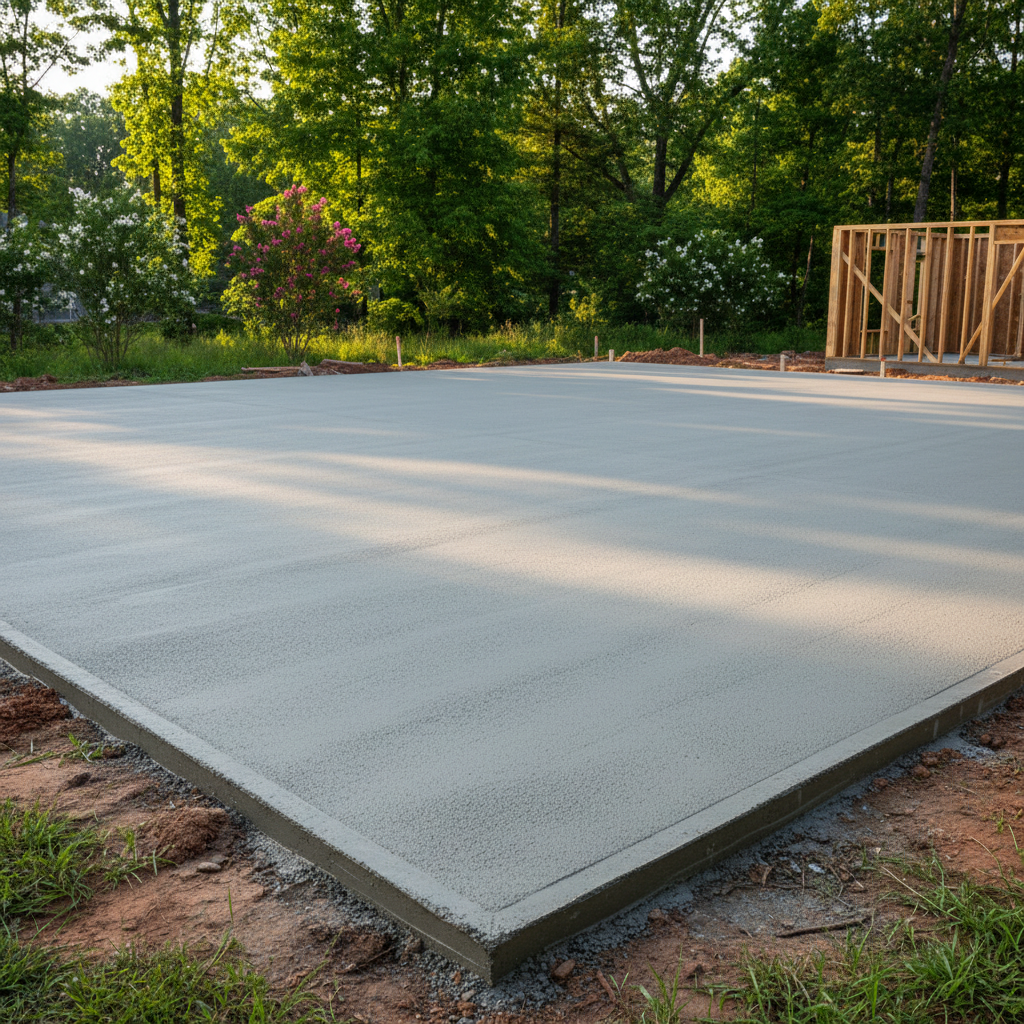
Alright, let's clear this up right away because it's a big one. Most homes built around here, especially newer ones, are on what we call a slab-on-grade foundation. That means your house sits directly on a thick concrete slab that's poured right on the ground, usually with some gravel and a vapor barrier underneath. It's pretty common, cost-effective, and provides a solid, continuous floor for your home. You don't have any space underneath the house.
A crawl space foundation, on the other hand, is built on footings and a perimeter wall, creating a shallow space – the crawl space – between the ground and the bottom of your house's floor joists. You can literally crawl under there, which is why they call it that. This type is often seen in older homes or in areas where the ground might be a bit more uneven. It allows easier access for plumbing and electrical work, but it can also be prone to moisture issues if not properly managed. We see a mix of both in Huntsville, especially with older homes in areas like Five Points having crawl spaces, while newer developments around Providence tend to be slab.
How do I know if a crack in my foundation is serious?
This is probably the most common question I get, and it's a good one because not all cracks are created equal. You're going to see cracks in concrete; it's just a fact of life. Concrete shrinks as it cures, and that's usually where hairline cracks come from. Those tiny, spiderweb-like cracks on the surface? We call those 'craze cracks,' and they're almost always cosmetic. Nothing to worry about.
What you *do* need to worry about are cracks that are wider than about 1/8 to 1/4 inch, especially if they're horizontal, stair-stepping up a block wall, or if one side of the crack is noticeably higher or lower than the other. Vertical cracks that are consistent in width usually aren't as big of a deal as horizontal ones. Also, if you see cracks accompanied by other issues like sticking doors or windows, sloping floors, or gaps around window and door frames, then you've probably got something more serious going on. Don't ignore those; get them checked out by a pro like us at Huntsville Hometown Concrete.
What causes foundation problems in North Alabama?
Ah, Huntsville's unique charm, right? Our soil is a big factor here. We've got a lot of expansive clay soil in North Alabama. What that means is when it gets wet, it swells up, and when it dries out, it shrinks. We get plenty of rain, then long dry spells, and that constant expansion and contraction puts a lot of stress on foundations. Think about those long, hot summers we get, followed by heavy fall rains – that's a recipe for soil movement.
Poor drainage around your home is another huge culprit. If water isn't directed away from your foundation, it's going to soak into that expansive clay, leading to uneven settlement. Large trees too close to the house can also be an issue; their roots can suck moisture out of the soil unevenly, or even push against the foundation. Lastly, just plain old poor construction practices or inadequate soil preparation before the pour can lead to problems down the road. That's why picking the right contractor is so important from the start.
Can I fix minor foundation cracks myself?
For those really small, non-structural hairline cracks we talked about? Yeah, you probably can. There are plenty of epoxy or polyurethane injection kits available at hardware stores that are designed for sealing those up. They're good for keeping moisture out and improving the look. Just make sure you follow the instructions carefully.
But for anything beyond that – anything wider, deeper, or if you suspect it's structural – I'd strongly advise against a DIY fix. You could actually make things worse, or at least mask a serious problem that needs professional attention. Foundation repair isn't like patching a hole in drywall; it requires specialized knowledge, equipment, and an understanding of soil dynamics and structural engineering. It's better to get a professional opinion than to risk your home's stability.
How long does a concrete foundation typically last?
A well-built concrete foundation, properly maintained, can easily last for a hundred years or more. Seriously. Concrete is incredibly durable. We're talking about a material that's been used for thousands of years. The Roman Pantheon's concrete dome is still standing, for crying out loud!
The lifespan really depends on a few key things: the quality of the initial pour, the soil conditions it's built on, and how well you maintain your property's drainage. If you've got good quality concrete, proper rebar reinforcement, and you keep water away from the foundation, it should outlive you and your grandkids. Most of the 'foundation problems' people talk about aren't usually due to the concrete itself failing, but rather the soil underneath it moving or water causing issues around it. The concrete itself is usually a champ.
What's the best way to prevent foundation problems?
Prevention is always cheaper than repair, that's for sure. The absolute best thing you can do is manage water around your home. Make sure your gutters are clean and in good repair, and that your downspouts extend at least five to ten feet away from the foundation. You want the ground around your house to slope away from the foundation, too – about a 6-inch drop over the first 10 feet is ideal. This is called 'positive drainage.'
Also, avoid planting large trees or shrubs too close to the foundation. Their roots can cause problems, as I mentioned. Keep an eye on your foundation walls regularly; a quick walk-around once a month can help you spot small issues before they become big ones. If you notice any changes, don't hesitate to call us. Early detection is key.
When should I call a professional for a foundation inspection?
You should definitely call a professional if you notice any of those serious crack indicators I talked about earlier: wide cracks, horizontal cracks, stair-stepping cracks, or cracks where one side is offset. Also, if you're experiencing other symptoms inside your home, like doors and windows that suddenly stick, floors that feel uneven or bouncy, cracks in interior drywall, or gaps forming between walls and ceilings or floors. These are all red flags that point to potential foundation movement.
Even if you're just buying an older home, especially one that hasn't had recent foundation work, it's a smart move to get an inspection. A professional like Huntsville Hometown Concrete can assess the situation accurately, tell you what's going on, and give you an honest opinion on whether it's a minor issue or something that needs serious attention. Don't wait until the problem gets worse; peace of mind is worth the call.